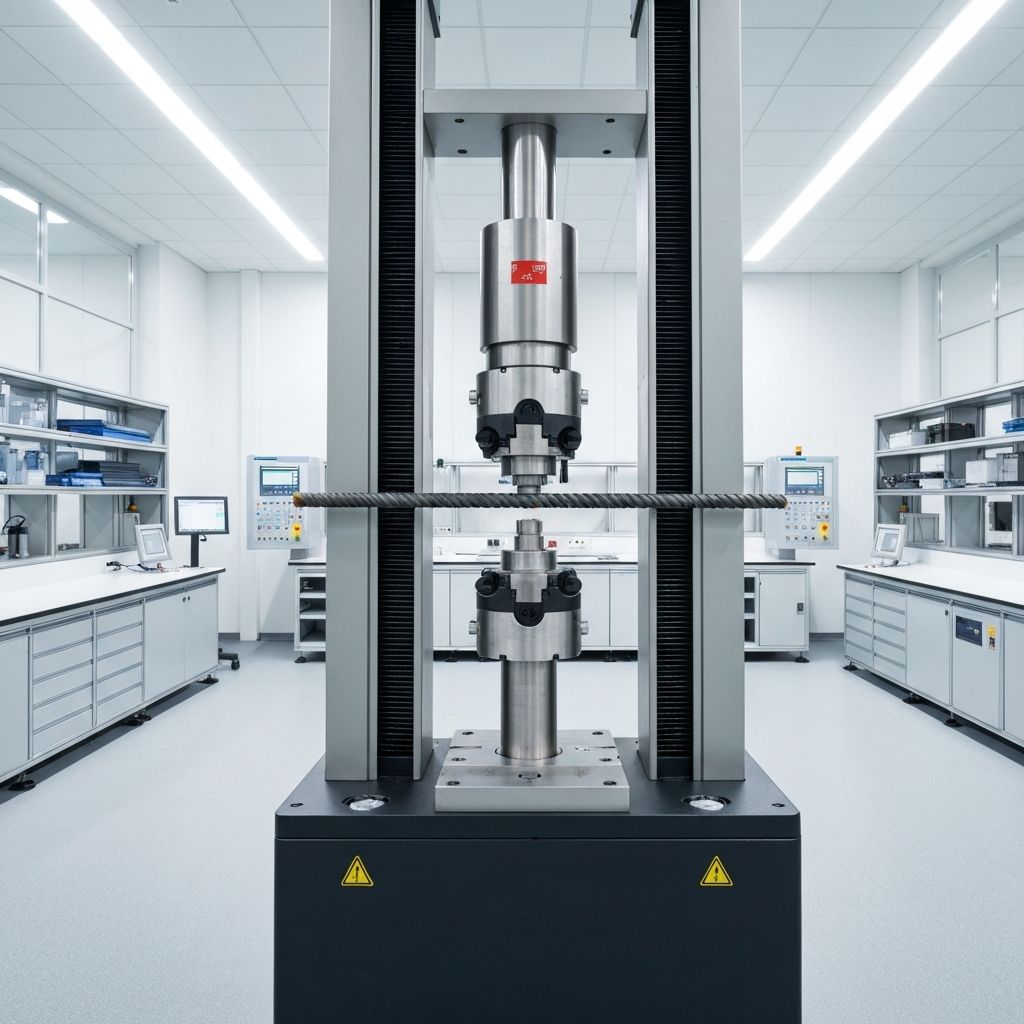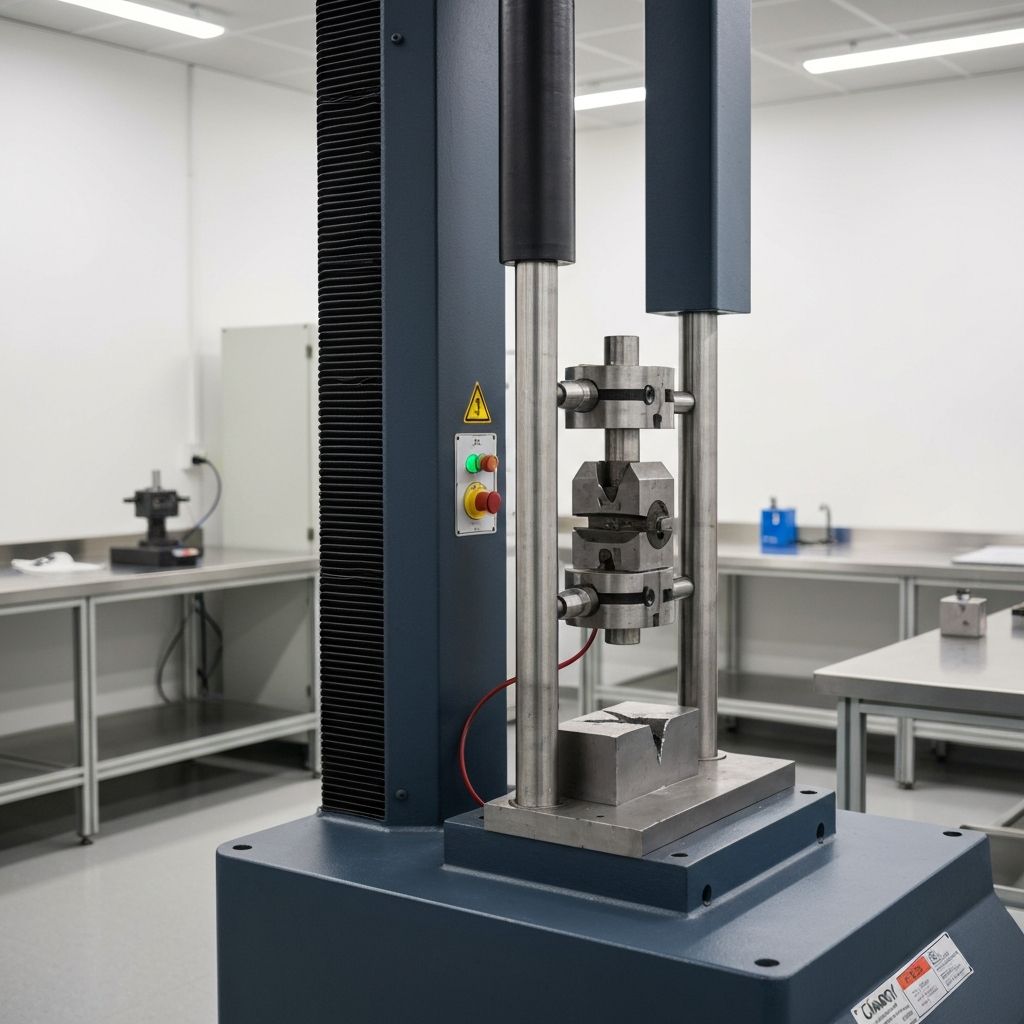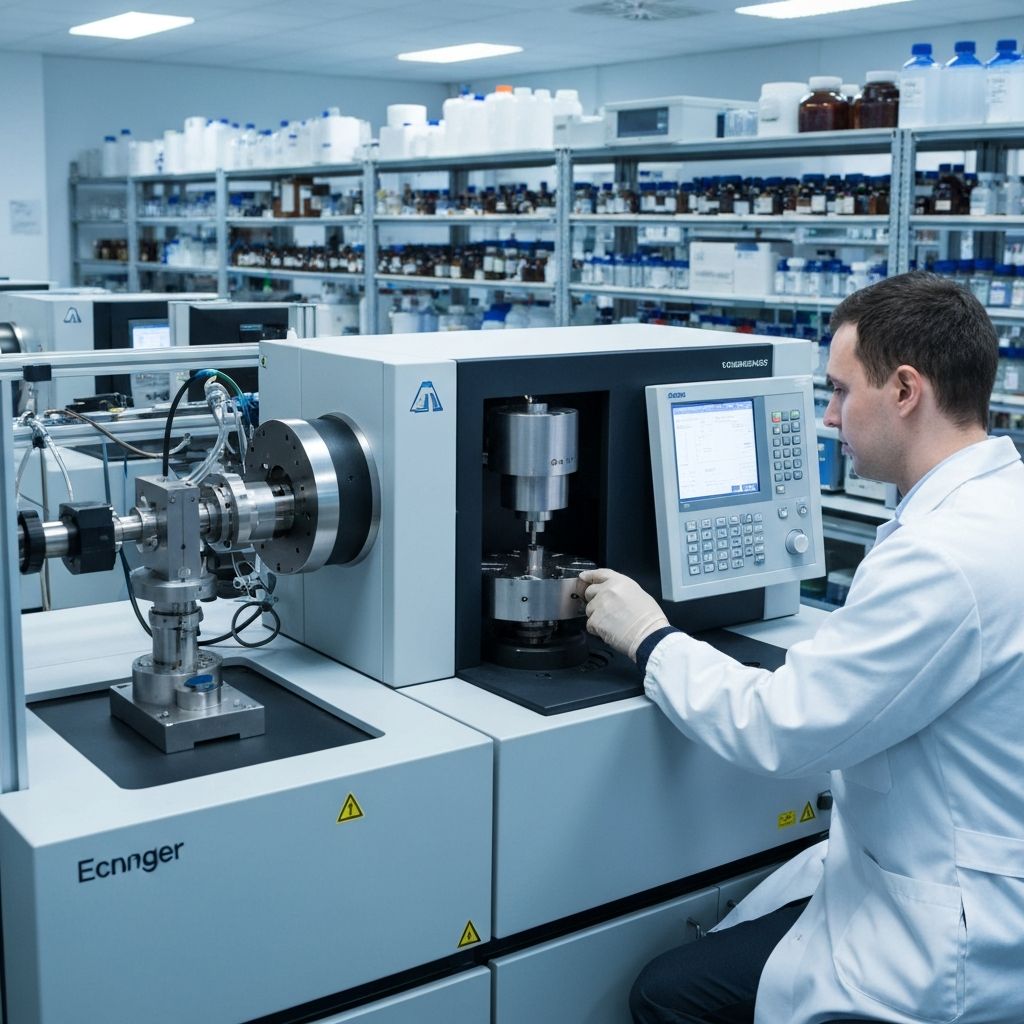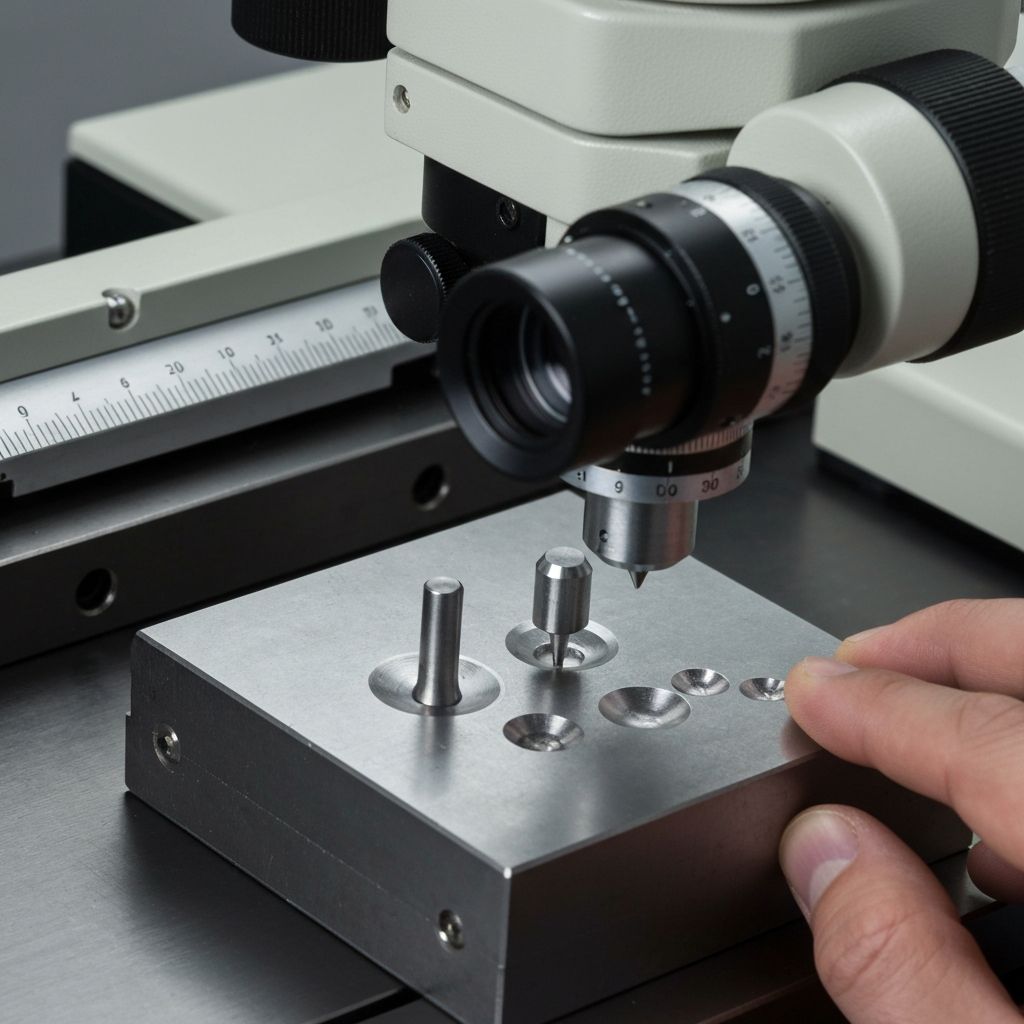
Hardness testing measures a material's resistance to permanent indentation or deformation. It provides a quick, non-destructive indication of steel quality, heat treatment effectiveness, and wear resistance. Hardness testing is essential for quality control of structural steel, reinforcement, fasteners, and heat-treated components throughout the construction industry.
Hardness Testing Methods
Three primary methods are used for testing steel hardness in construction applications:
- Brinell (HB): 10mm carbide ball indenter, load 3000kg, best for rough surfaces and castings
- Rockwell (HRC, HRB): Cone or ball indenter with preliminary and total loads, fastest method for production testing
- Vickers (HV): Diamond pyramid indenter, versatile across hardness ranges, good for thin sections and welds
- Portable hardness: Rebound (Leeb) method for on-site testing of large structures
Applications in Construction
Hardness testing verifies heat treatment of structural bolts (typically 22-32 HRC for Grade 8.8), confirms steel grade, assesses weld quality and heat-affected zones, evaluates surface hardness after treatments, and investigates failures. It correlates with tensile strength (approximately Rm ≈ 3.3 × HB for steel), allowing quick strength estimation.
Test Selection and Procedures
Method selection depends on material type, thickness, surface condition, and required accuracy. Brinell is preferred for coarse-grained materials and rough surfaces. Vickers is ideal for case-hardened layers, welds, and thin sections. Rockwell offers speed for production testing. Surface preparation is critical—specimens must be flat, stable, clean, and free from scale.
Interpretation and Acceptance
Results are compared to specification requirements. Structural bolts must meet specific hardness ranges (too hard indicates brittleness risk). Uniform hardness across sections indicates proper heat treatment. Excessive hardness in welds suggests cracking risk. Low hardness may indicate inadequate heat treatment or wrong material grade.
Conclusion
Hardness testing provides rapid quality assurance for steel materials and components. Our laboratories and field teams perform all hardness test methods with calibrated equipment and accredited procedures. Contact us for steel hardness testing services.
Related Testing Services
- Tensile Testing
- Chemical Analysis
- Microstructure Analysis
Applicable Standards
Need This Testing Service?
Our accredited laboratories and field teams provide comprehensive testing services across Europe.
Contact Our Team