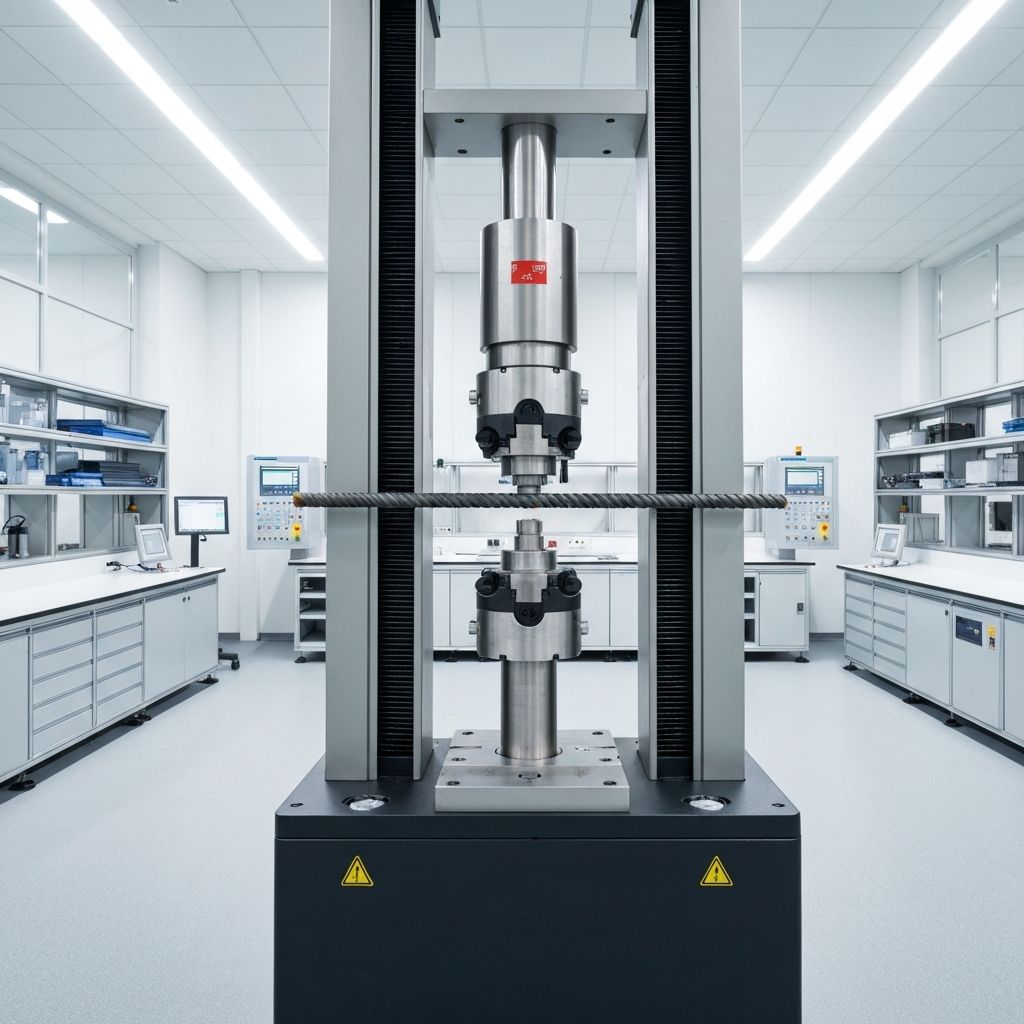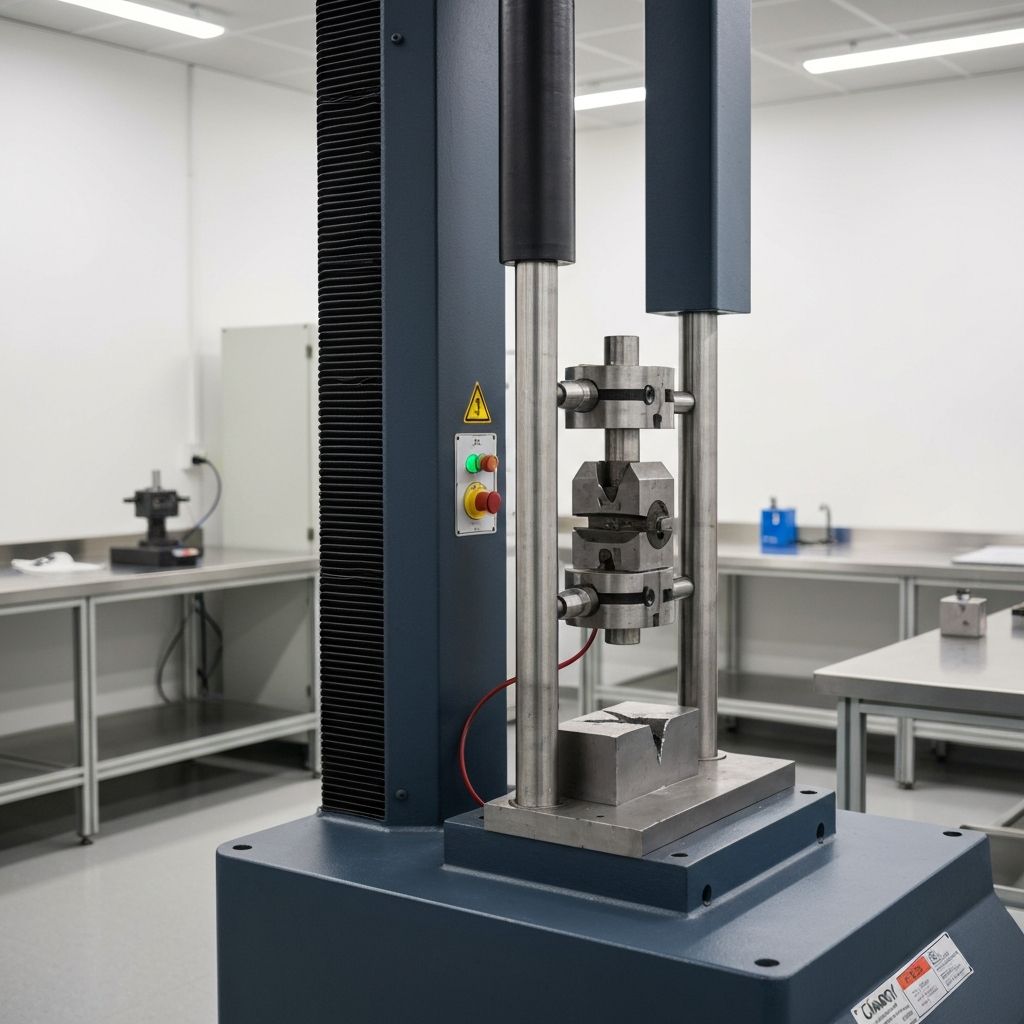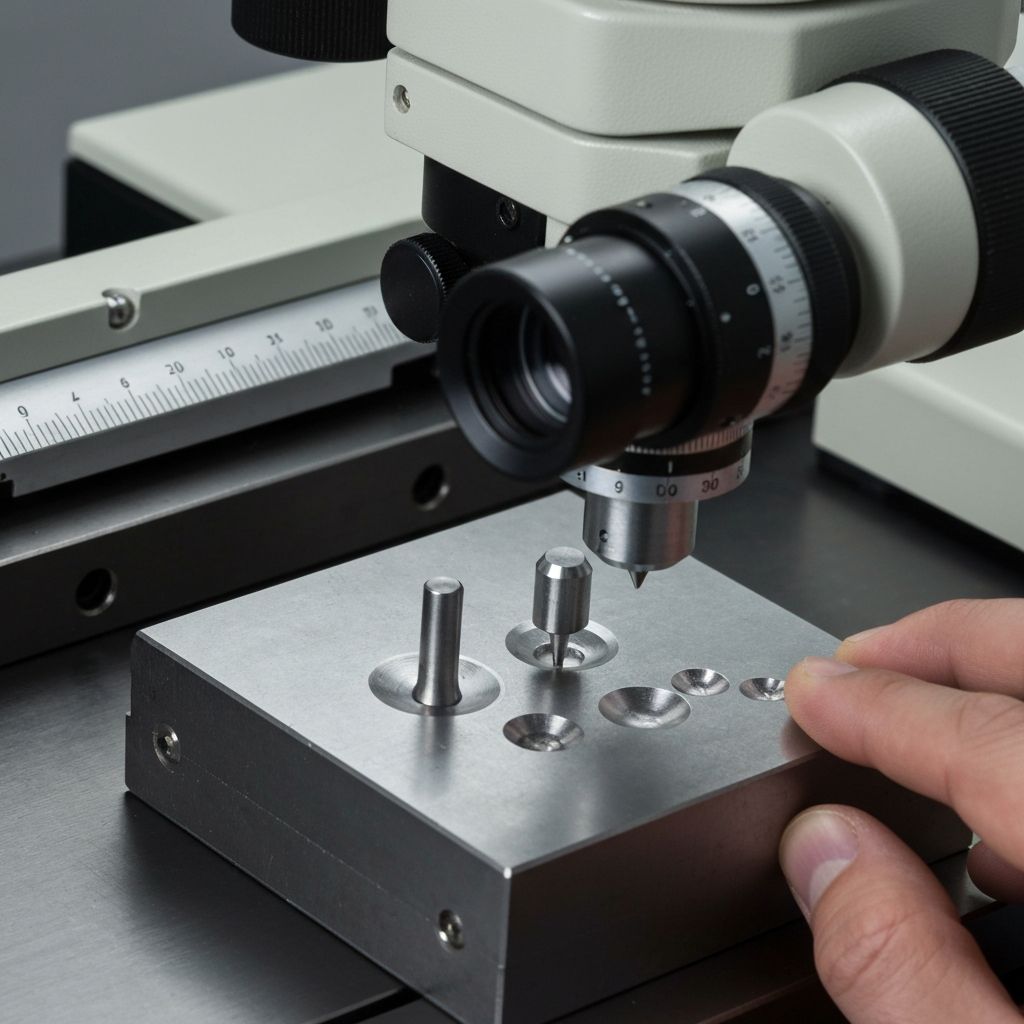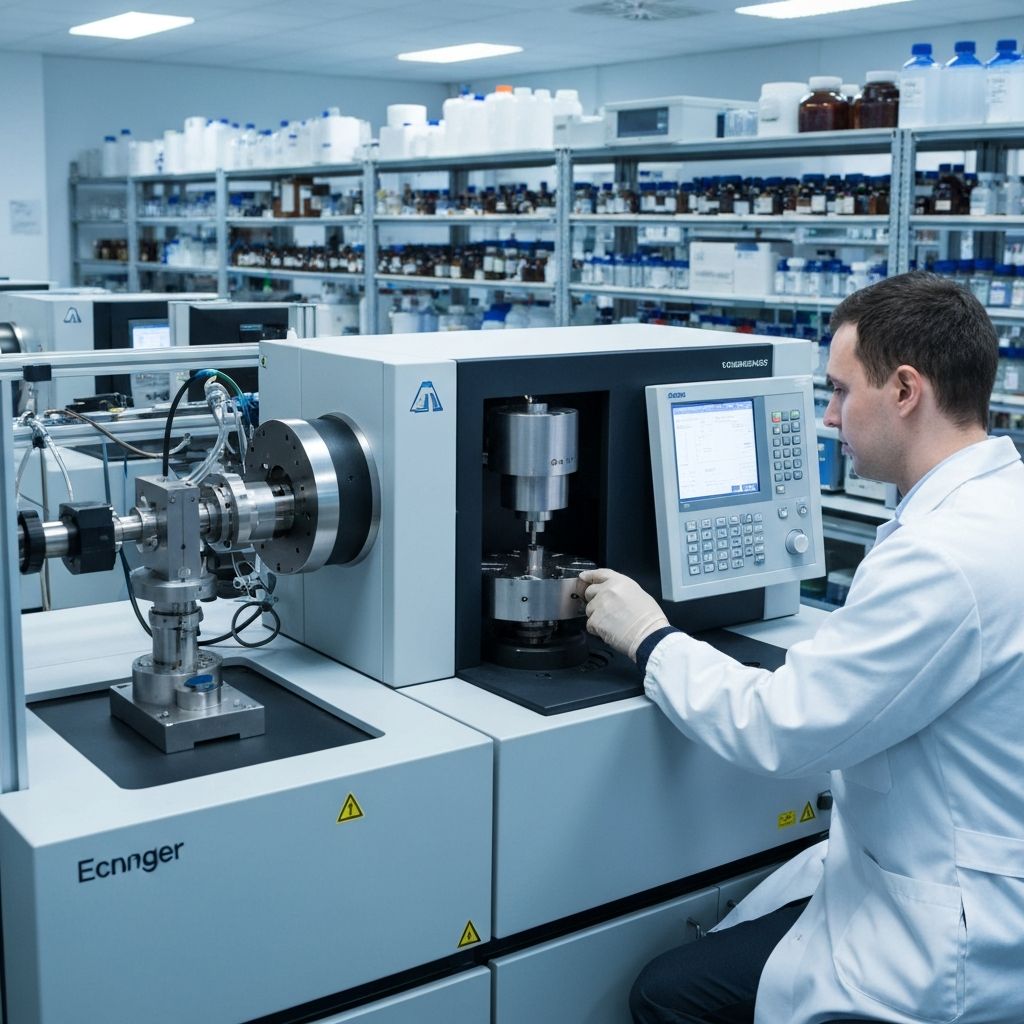
Chemical composition analysis verifies that steel meets the specified grade and predicts its mechanical properties, weldability, and corrosion resistance. Even small variations in carbon, manganese, or other elements significantly affect steel behavior. Composition testing is mandatory for critical structural applications and is fundamental to quality assurance in steel fabrication and construction.
Why Chemical Analysis is Critical
Each steel grade has defined chemical composition limits that determine its properties. Carbon content controls strength and weldability. Manganese improves hardenability. Silicon acts as a deoxidizer. Sulfur and phosphorus are harmful impurities that must be limited. Alloying elements like chromium, nickel, and molybdenum provide specific properties. Chemical analysis ensures the steel delivered matches the specified grade and will perform as designed.
Testing Methods
Several methods are used depending on accuracy requirements and testing location:
- Optical Emission Spectrometry (OES): Laboratory method, highest accuracy, measures all elements simultaneously
- Portable X-Ray Fluorescence (XRF): On-site grade verification, identifies most elements except carbon
- Positive Material Identification (PMI): Rapid field testing to verify grades and detect mix-ups
- Wet Chemistry: Reference method for carbon and sulfur, highest precision
- Combustion Analysis: For carbon, sulfur, nitrogen, and oxygen content
Key Elements and Their Effects
Carbon (C): Increases strength but reduces ductility and weldability; typically 0.05-0.25% for structural steel. Manganese (Mn): Improves strength and toughness; typically 0.40-1.60%. Silicon (Si): Deoxidizer, usually 0.10-0.50%. Phosphorus (P) and Sulfur (S): Harmful impurities, must be < 0.045% each. Alloying elements: Chromium, nickel, molybdenum, vanadium, niobium added for specific properties.
Applications and Compliance
Chemical analysis is required for mill test certificates, incoming material inspection, weld procedure qualification, failure investigations, and mixed material identification. EN 10204 specifies certification types. Type 3.1 certificates (most common) include composition from manufacturer's testing. Type 3.2 includes independent inspector verification. Critical applications require verification testing beyond mill certificates.
Conclusion
Chemical composition analysis is fundamental to steel quality assurance and grade verification. Our laboratory performs accurate composition testing using OES and combustion methods with full accreditation. Contact us for steel analysis services.
Related Testing Services
- Tensile Testing
- Impact Testing
- Weld Testing
- Metallographic Examination
Applicable Standards
Need This Testing Service?
Our accredited laboratories and field teams provide comprehensive testing services across Europe.
Contact Our Team