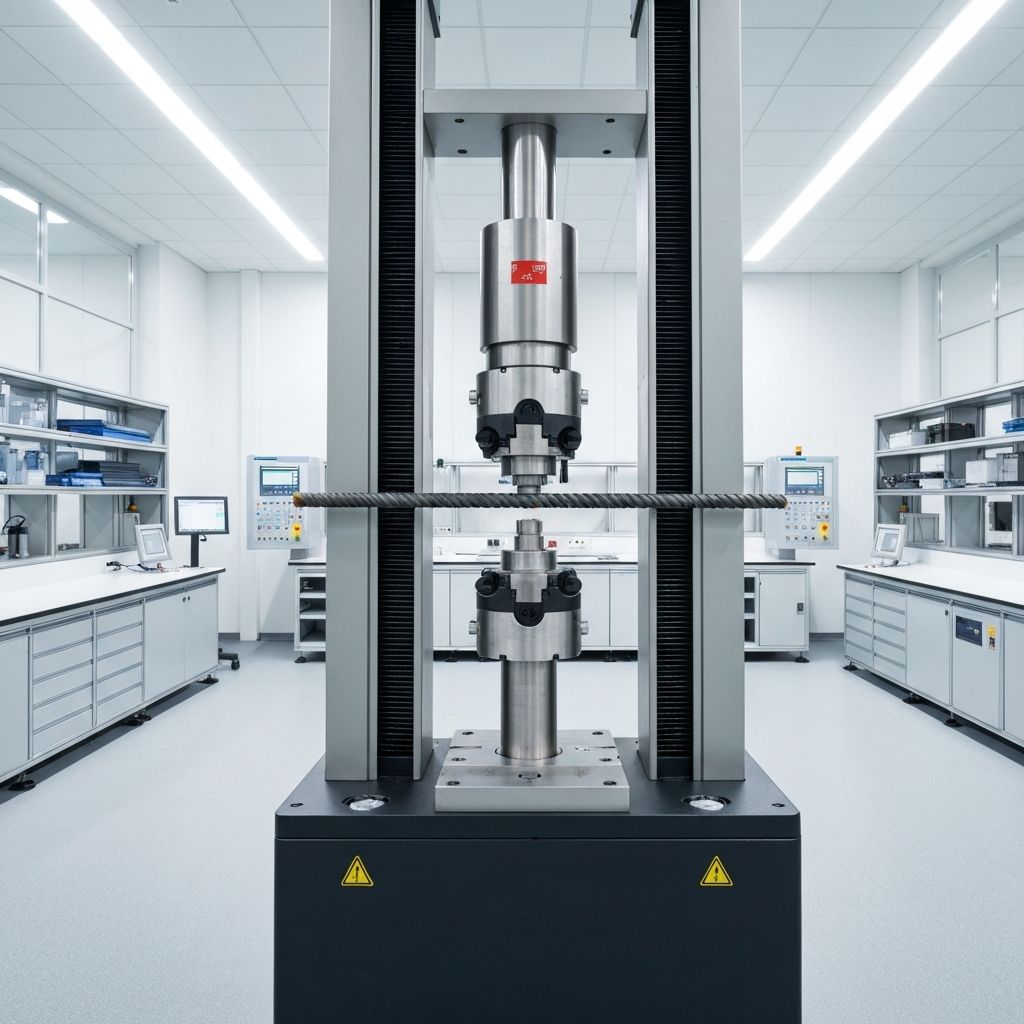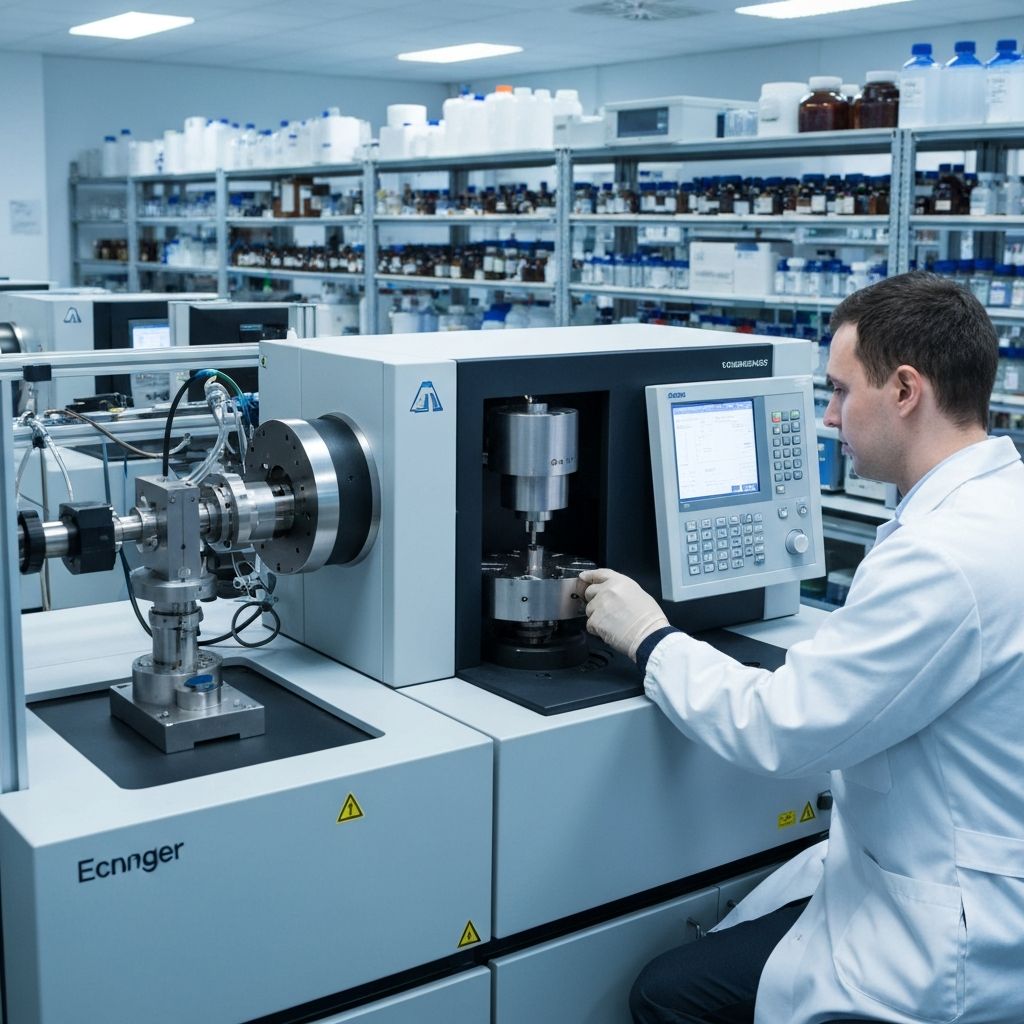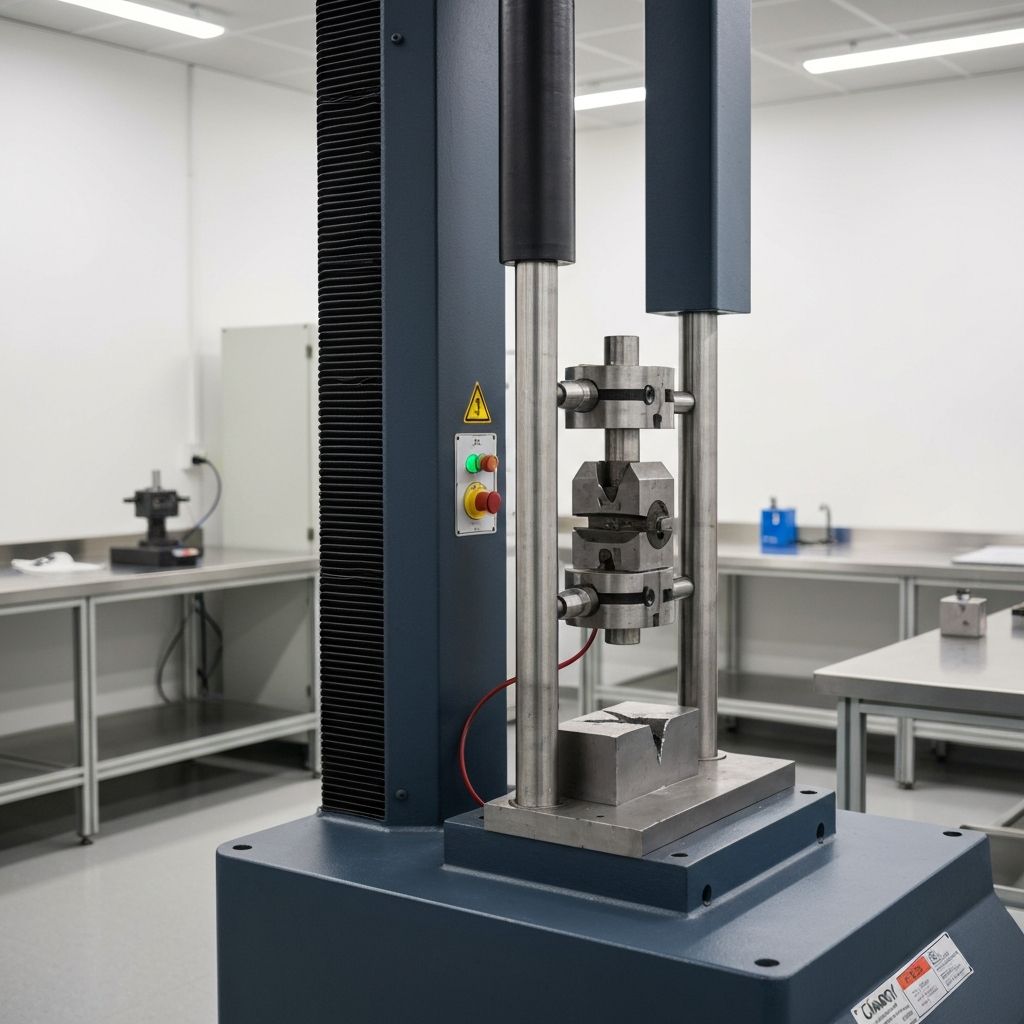
Charpy impact testing measures the energy absorbed by a material during fracture, providing a measure of toughness and resistance to brittle failure. This test is especially critical for steel used in cold environments or subject to impact loads, where brittle fracture can occur catastrophically without warning. It's a mandatory requirement for structural steelwork in many European applications.
Understanding Material Toughness
Toughness is the ability of material to absorb energy and plastically deform without fracturing. It's distinct from strength (resistance to deformation) and ductility (amount of deformation). Steel can be strong but brittle, failing suddenly under shock loading or at low temperatures. The Charpy test reveals this behavior through impact energy measurement.
Test Method and Procedure
The Charpy test uses a standardized specimen (10x10x55mm) with a V-shaped notch. The specimen is placed horizontally in a pendulum impact tester and struck by a weighted hammer. The energy absorbed in fracturing the specimen is calculated from the height difference of the pendulum before and after impact. Testing is performed at specified temperatures, often -20°C or -40°C for steel used in cold climates.
- Specimen preparation with precise V-notch dimensions (2mm depth, 45° angle)
- Temperature conditioning in cold chamber for minimum 15 minutes
- Rapid transfer to test machine (within 5 seconds)
- Single blow fracture with pendulum hammer
- Energy measurement in Joules (J)
Acceptance Criteria and Applications
EN 10025 specifies minimum impact energy requirements based on steel grade and service temperature. S355J2 grade must achieve 27J at -20°C. For offshore and Arctic applications, requirements are more stringent (40J at -40°C or lower). Low impact values indicate risk of brittle fracture, especially in thick sections, welded connections, or stress concentration areas.
Factors Influencing Results
Impact toughness is affected by temperature (decreases dramatically below transition temperature), chemical composition (carbon, manganese, silicon content), grain size, heat treatment, and manufacturing process. Structural discontinuities like inclusions or segregation significantly reduce toughness. Weld zones often show lower toughness than parent material.
Conclusion
Charpy impact testing is essential for ensuring steel structures won't fail catastrophically in service. Our laboratory performs impact testing across the full temperature range with accredited procedures. Contact us for comprehensive steel toughness evaluation.
Related Testing Services
- Tensile Testing
- Hardness Testing
- Fracture Mechanics Testing
Applicable Standards
Need This Testing Service?
Our accredited laboratories and field teams provide comprehensive testing services across Europe.
Contact Our Team