Coating thickness directly affects the lifespan of protective coatings on steel structures. Insufficient thickness leads to premature coating failure and accelerated corrosion. Coating thickness measurement verifies that specified protection levels are achieved, ensuring structures meet design life requirements. Both paint coatings and hot-dip galvanizing require systematic thickness verification.
Why Coating Thickness Matters
Coating life increases exponentially with thickness. Doubling paint film thickness can triple service life. Specifications typically require minimum dry film thickness (DFT) for each coat with tolerance allowing some variation. Inadequate thickness leaves steel vulnerable to corrosion, while excessive thickness wastes material and may cause coating defects. Systematic measurement during application ensures specification compliance.
Measurement Methods
Two primary non-destructive methods measure coating thickness on steel:
- Magnetic Induction (Type 1): Measures non-magnetic coatings on ferrous substrates (paint on steel), most common method
- Eddy Current (Type 2): Measures non-conductive coatings on non-ferrous metals (paint on aluminum)
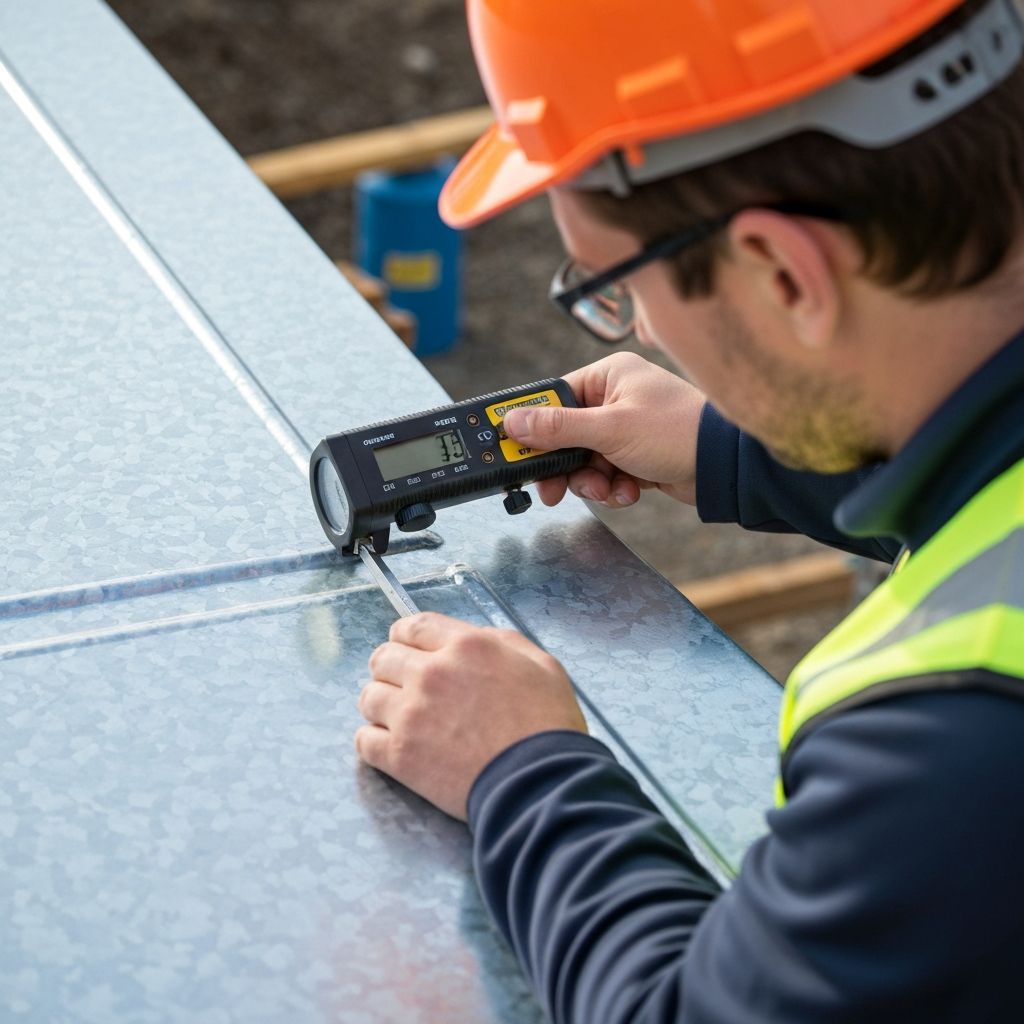
- Electronic gauges provide instant digital readouts accurate to ±1-3% or ±2.5μm
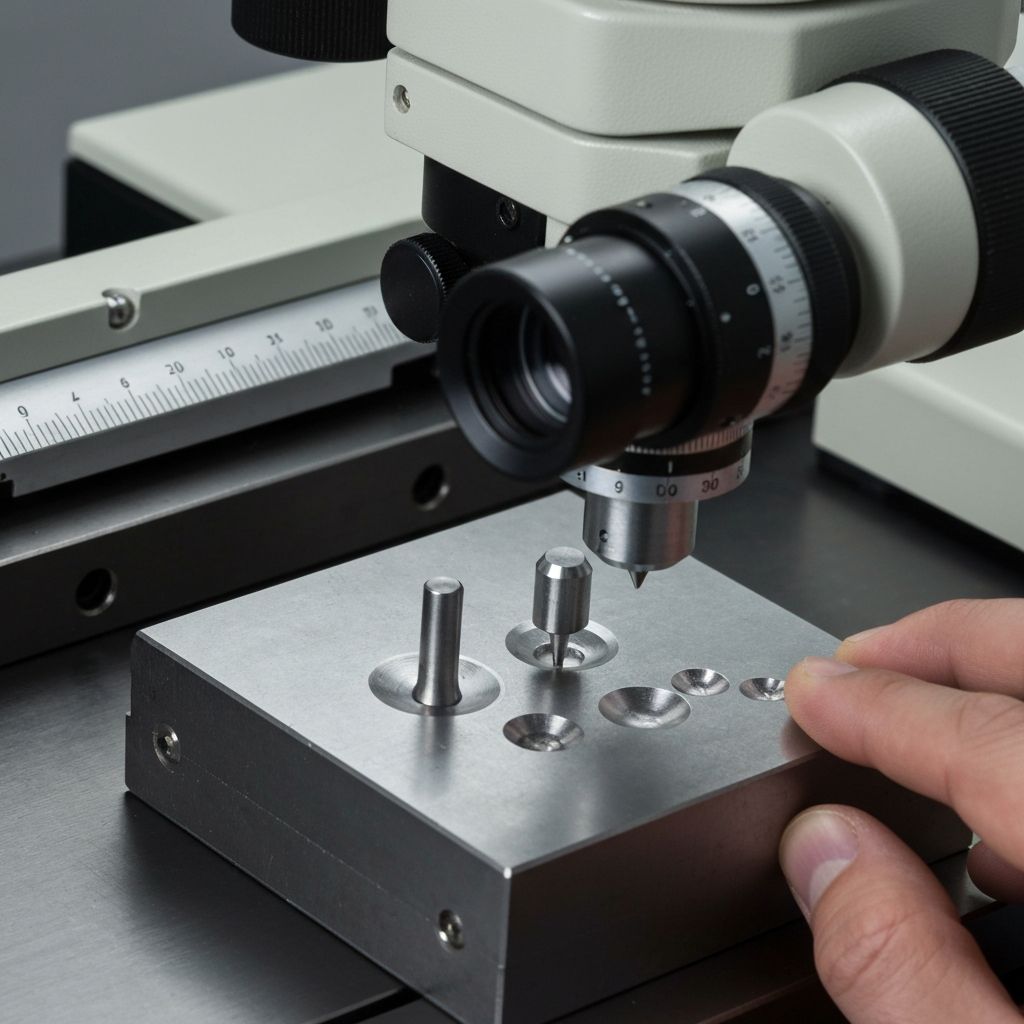
- Destructive methods (cross-sectional microscopy) used for calibration verification
- Ultrasonic gauges measure through entire coating system including multiple layers
Testing Procedures and Standards
ISO 19840 and EN ISO 2808 specify procedures for coating thickness measurement. Surface must be clean and free of contaminants. Gauge is calibrated using certified thickness standards. Minimum 5 readings taken per 10m² surface area, distributed to represent typical and minimum thickness areas. Each reading is average of 3-5 measurements at closely spaced points. Results are compared to specification requirements.
Specification Requirements
Paint systems typically specify 60-150μm DFT per coat depending on environment. Total system thickness ranges from 150μm (low corrosivity) to 500μm+ (severe offshore/industrial). Hot-dip galvanizing specifications require minimum average thickness (typically 85μm for steel >6mm thick per EN ISO 1461) and minimum local thickness (70μm). Special measurement patterns account for centrifugal effects at member ends and edges.
Conclusion
Coating thickness measurement is essential quality control ensuring specified corrosion protection is delivered. Our inspectors perform calibrated thickness measurements following international standards. Contact us for coating inspection and verification services.
Related Testing Services
- Adhesion Testing (Pull-Off)
- Holiday Detection
- Surface Preparation Assessment
- Salt Contamination Testing
Applicable Standards
Need This Testing Service?
Our accredited laboratories and field teams provide comprehensive testing services across Europe.
Contact Our Team