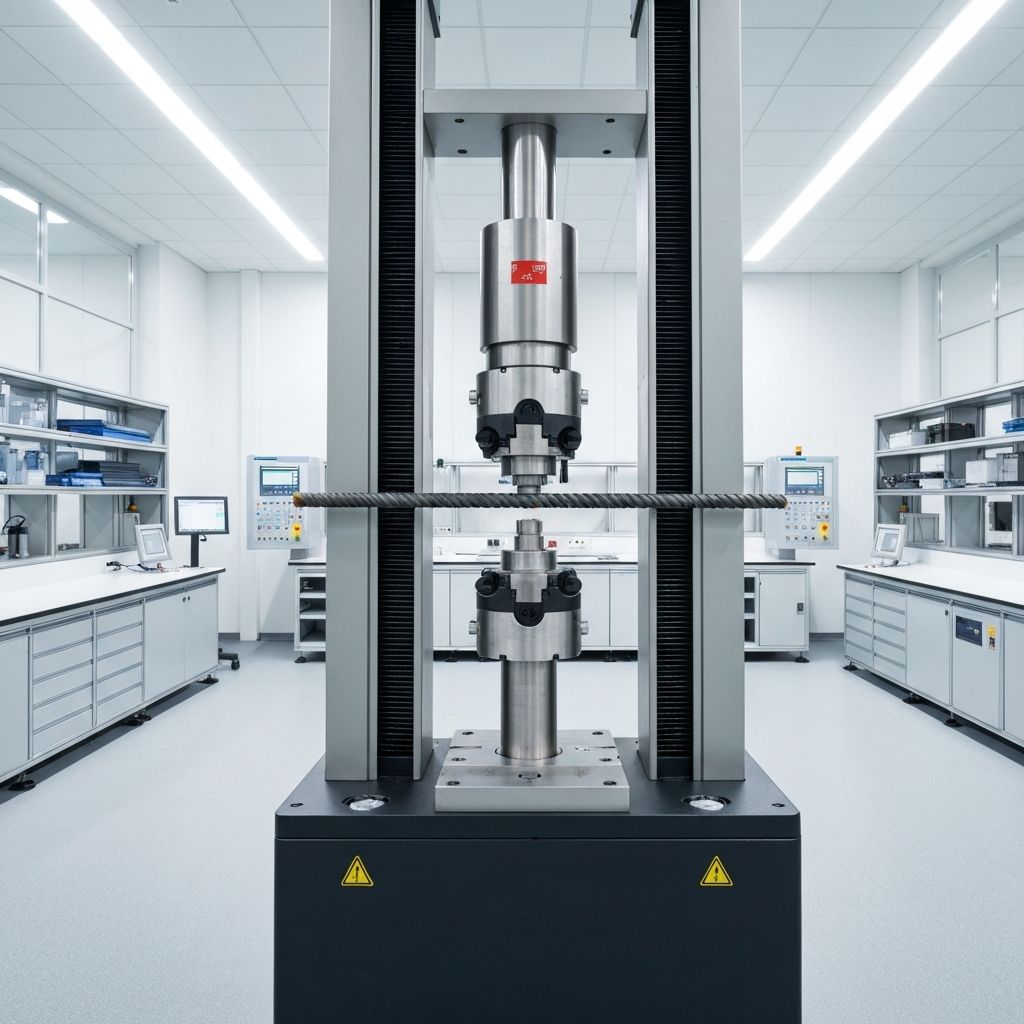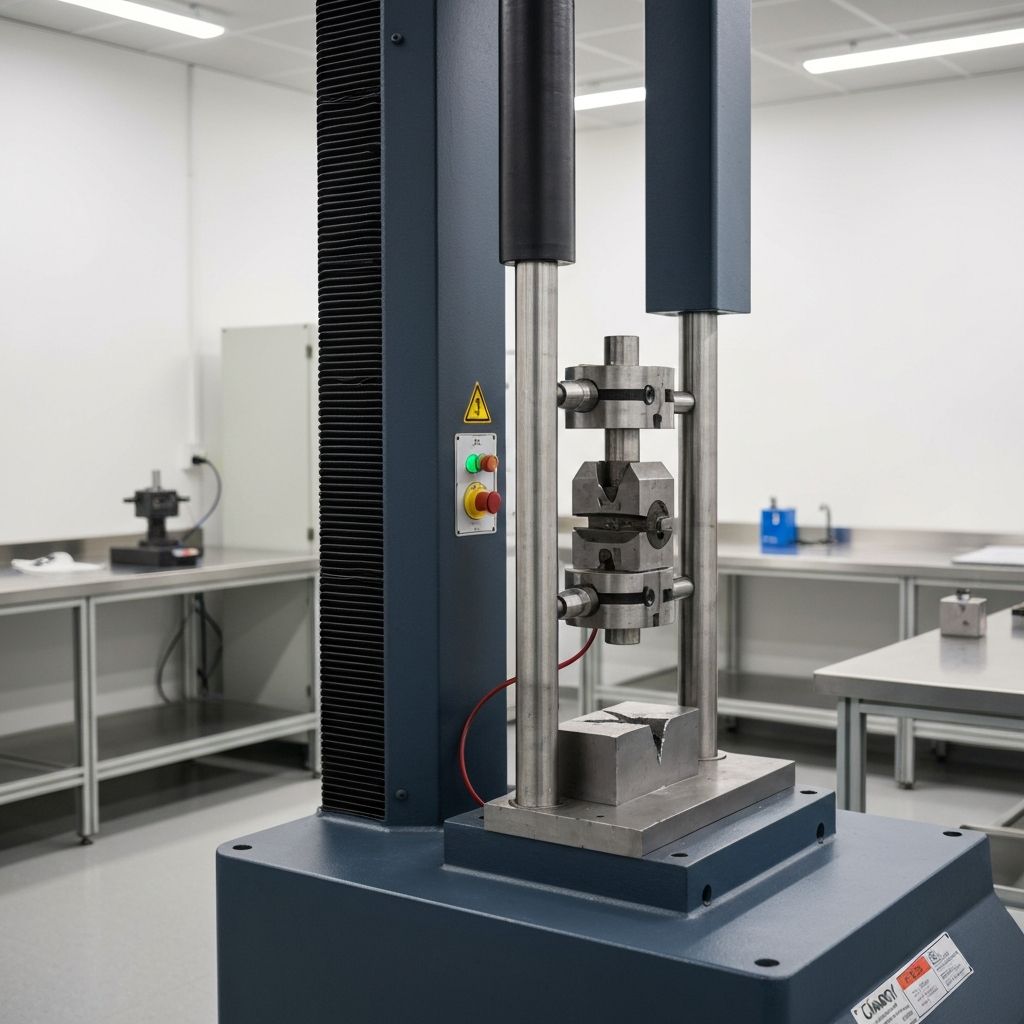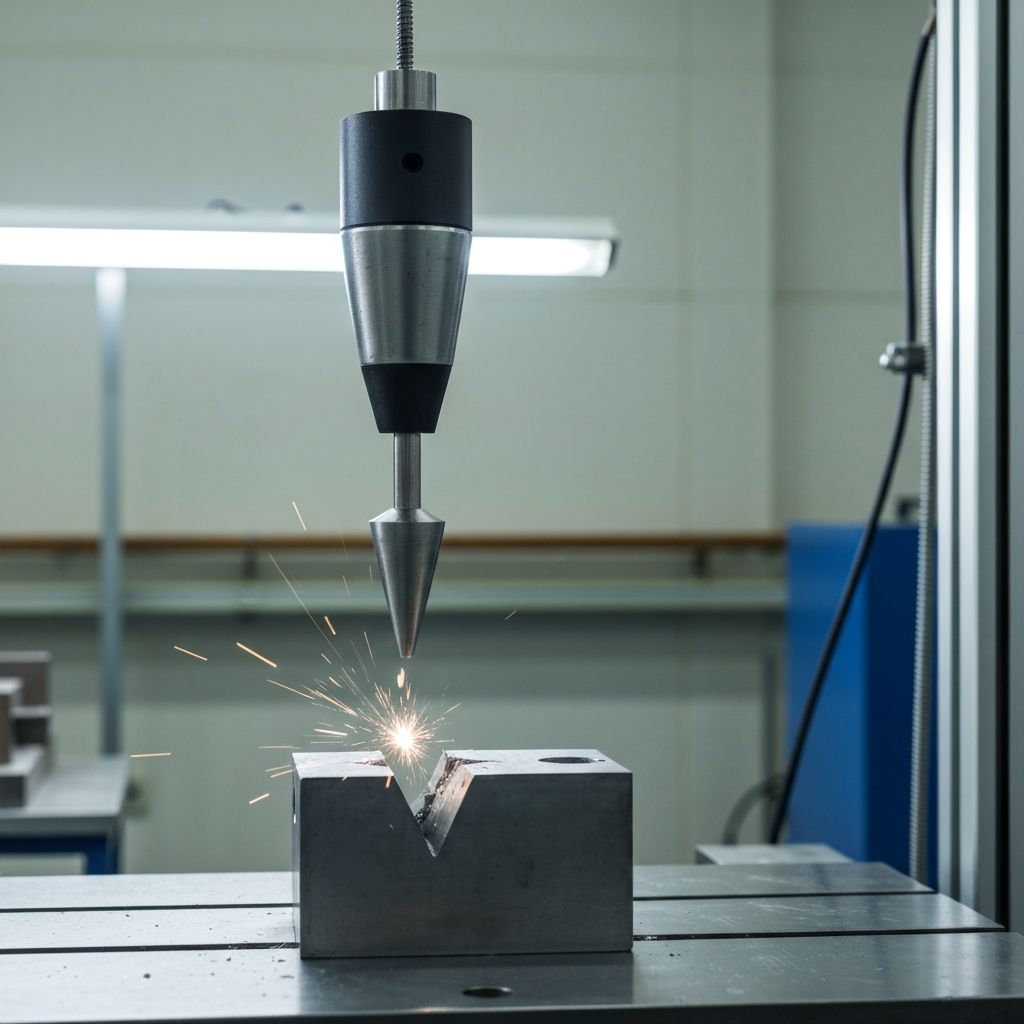
Charpy impact testing measures steel's ability to absorb energy during fracture under shock loading conditions. It's critical for structural steel used in cold climates, as steel can become brittle at low temperatures, leading to sudden catastrophic failure. The test determines the transition temperature below which steel loses toughness, essential for safe design in European winter conditions.
Understanding Impact Toughness and Brittle Fracture
Impact toughness represents material's resistance to crack propagation under dynamic loading. Steel exhibits ductile-to-brittle transition (DBT) as temperature decreases. Above transition temperature, steel deforms plastically and absorbs significant energy before failure. Below transition temperature, steel fractures suddenly with little deformation. Historic failures (Liberty ships, Alexander Kielland platform) resulted from inadequate impact toughness at service temperature.
Test Procedure and Specimen Preparation
Standard Charpy V-notch specimen (10×10×55mm) with 2mm deep 45° notch is supported horizontally and struck by pendulum hammer. Energy absorbed during fracture is calculated from pendulum swing height. Testing at multiple temperatures (typically -40°C to +20°C) determines transition curve and ensures adequate toughness at minimum service temperature.
- Specimen machining perpendicular to rolling direction for conservative results
- Temperature conditioning in liquid nitrogen, dry ice, or cooling bath
- Impact within 5 seconds of removing from temperature bath
- Minimum 3 specimens tested at each temperature
- Typical acceptance: 27J at specified design temperature for structural steel
Acceptance Criteria and Specifications
EN 10025 specifies impact energy requirements for structural steel grades. S355J2 requires minimum 27J at -20°C. S355K2 requires 40J at -20°C for enhanced toughness. Selection depends on thickness, stress level, and lowest anticipated service temperature. Thicker sections and higher stresses require better toughness. Welded structures need toughness verification in weld metal and heat-affected zones.
Factors Affecting Impact Properties
Microstructure controls toughness - fine grain size improves toughness at low temperatures. Thermomechanical rolling produces superior toughness to normalized rolling. Alloying elements (Ni, Mo) improve low-temperature properties. Welding can degrade toughness in heat-affected zone. Proper welding procedures, preheating, and post-weld heat treatment maintain adequate toughness. Material certification must include impact test results.
Conclusion
Charpy impact testing ensures steel maintains adequate toughness at service temperatures, preventing brittle fracture failures. Our laboratory performs temperature-controlled impact testing to EN and ASTM standards. Contact us for comprehensive steel toughness testing.
Related Testing Services
- Tensile Testing
- Hardness Testing
- Weld Testing
- Drop Weight Tear Test
Applicable Standards
Need This Testing Service?
Our accredited laboratories and field teams provide comprehensive testing services across Europe.
Contact Our Team